
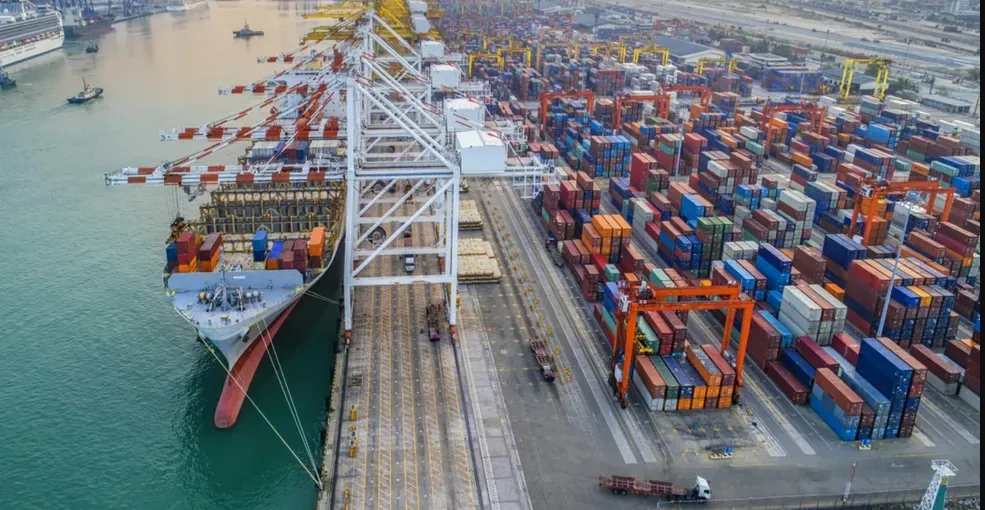
How much does sea freight from China to Iran cost in 2026? It is the first question almost every importer asks before placing an order in China. The answer is never a single number: rates depend on the season, the origin port, the container size, and the customs costs at the destination. In this guide we break down realistic 2026 rate ranges, what actually drives the price, and how to keep your total cost under control.
What determines the cost of sea freight from China to Iran
Ocean freight rates are shaped by several variables:
- Container type: a 20ft container (FCL) costs less in total than a 40ft, but more per cubic meter.
- Origin port in China: southern ports such as Guangzhou and Shenzhen price differently from northern hubs like Tianjin and Shanghai.
- Season and demand: rates rise during peak seasons, including the run-up to the Iranian New Year (Nowruz) and China’s major holidays.
- Cargo type and volumetric weight: sensitive, heavy, or bulky goods carry different tariffs.
- Exchange rate: freight is quoted in USD, so currency swings directly affect the final cost in local currency.
- Port and ancillary charges: terminal handling, bunker surcharges, documentation, and insurance all appear on the final invoice.
FCL container costs (20ft and 40ft) in 2026
For shipments above roughly 15 cubic meters, a full container load (FCL) is usually the most economical option. Indicative 2026 rate ranges from China’s main ports to Bandar Abbas:
| Cargo type | Indicative rate (USD) | Notes |
|---|---|---|
| 20ft container (FCL) | about $1,500–$2,500 | best for heavy, low-volume cargo |
| 40ft container (FCL) | about $2,200–$3,500 | cost-efficient for high-volume cargo |
| 40ft high cube (HQ) | about $2,300–$3,800 | for bulky items such as furniture |
Please note: these figures are estimates and can shift significantly with the origin port, shipping line, and season. For a live quote, contact a sea freight FCL forwarder.
LCL (less-than-container-load) rates from China to Iran
If your shipment is under 10–12 cubic meters, consolidating as LCL is the economical choice. LCL is typically priced per cubic meter:
- Indicative LCL rate: roughly $70–$160 per cubic meter, depending on port and season
- Transit time: because cargo is consolidated at a CFS terminal, LCL usually takes 5–10 days longer than FCL.
To understand the trade-offs in detail, check our shipping FAQ or ask our team about the LCL shipping service.
Comparing rates across China’s origin ports
The origin port is one of the biggest pricing factors. A quick overview of the five busiest options:
| Origin port | Strength | Rate level |
|---|---|---|
| Guangzhou | home appliances, garments, accessories | moderate |
| Shenzhen | electronics hub, closest to southern factories | moderate to high |
| Shanghai | China’s largest port; machinery | higher |
| Tianjin | northern China cargo; competitive pricing | usually lower |
| Yiwu | huge market for small goods and homeware | moderate (with combined haulage to port) |
More than 80% of Iran’s seaborne imports arrive through Shahid Rajaee Port (Bandar Abbas). Chabahar and Bandar Imam Khomeini are used for specific corridors.
Additional costs and customs clearance
The ocean freight rate is only part of the landed cost. These items are usually billed separately:
- Customs duty and commercial benefit tax: calculated from the HS code and the CIF value of the goods; see our customs tariff guide for details.
- Value-added tax: currently 9% on most goods.
- Mandatory ISIRI standards: products such as electrical appliances and cosmetics need standard compliance approval before clearance.
- Warehousing and demurrage: daily charges accrue if clearance is delayed.
- Cargo insurance: strongly recommended to cover loss or damage in transit.
- Inland transport and clearance: moving goods from Bandar Abbas to Tehran and other cities.
Review our guides on import regulations and customs clearance for the full process and documents. If you prefer one fixed price for everything, a door-to-door (DDP) service may suit you better.
How to reduce your sea freight costs
- Measure volume and weight accurately: a miscalculation directly inflates your LCL bill.
- Choose the origin port wisely: proximity to your supplier reduces inland trucking costs in China.
- Book outside peak season: avoid colliding with Chinese holidays such as the Spring Festival and National Day.
- Consolidate your cargo: combine smaller consignments into one container for a better rate.
- Inspect before shipment: preventing a return is the cheapest way to cut total cost.
- Work with a reliable forwarder: an experienced partner flags hidden charges before they surprise you.
If your budget and timeline allow, it is also worth comparing sea freight against air freight; for light, high-value goods air can sometimes beat sea on total cost.
Frequently asked questions
How much does a 20ft container from China to Iran cost? Roughly $1,500–$2,500, depending on the origin port, season, and shipping line.
How is LCL freight priced? Per cubic meter, at roughly $70–$160. The minimum chargeable volume is usually 1 cubic meter.
Are customs duties included in the freight rate? No. The ocean rate excludes clearance and duties unless you book a DDP service.
How long does sea freight from China to Iran take? About 22–32 days from southern Chinese ports to Bandar Abbas, and 26–36 days from northern ports.
What is the safest way to pay for freight? Freight is usually quoted in USD and local charges in local currency. Given the sanctions environment, use well-established, compliant payment channels and consult your freight forwarder before transferring funds.
Conclusion
In 2026, sea freight from China to Iran typically costs about $1,500–$2,500 for a 20ft container, $2,200–$3,800 for a 40ft container, and $70–$160 per cubic meter for LCL. Remember to factor in customs duties, VAT, and inland transport for the true landed cost. For an accurate, up-to-date quote tailored to your cargo, contact the HamlChin team today.
Need advice on shipping from China to Iran? Get a free quote or chat with us on WhatsApp