
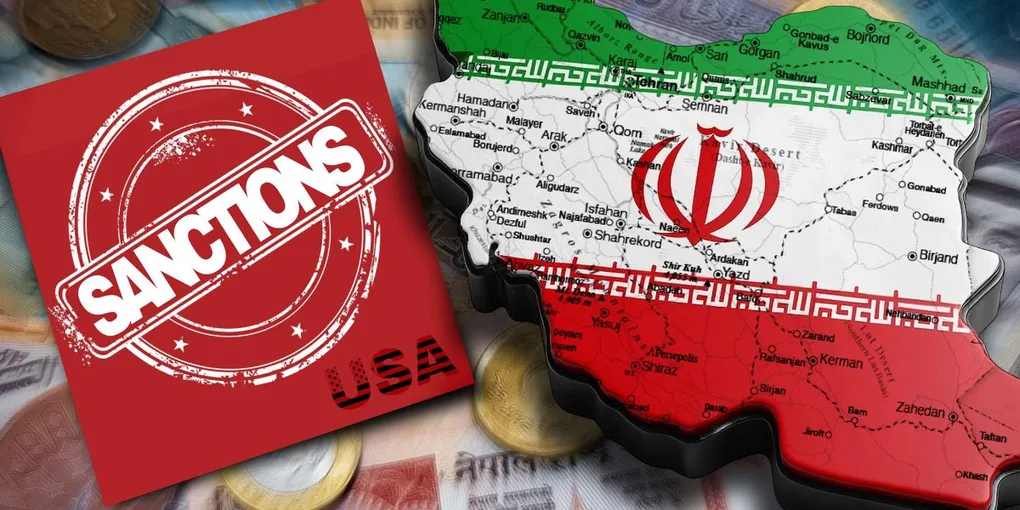
What happened
On October 1, 2026, the US Treasury moved against Iran’s rail and automotive industries under “Operation Economic Outcast.” According to the official Treasury press release, the designations cover the state-owned Islamic Republic of Iran Railway Company (RAI), the Raja Passenger Trains Company, and the private freight operator Railway Transportation Company (Sherkat-E Rah Ahan-E Khamle-O-Naghle). At the same time, Treasury issued two sectoral determinations under Executive Order 13902 covering Iran’s automotive and rail sectors, which lets Washington sanction any entity operating in those sectors going forward. The determination itself was published in the Federal Register on October 13.
The logic is straightforward: with the naval blockade squeezing Iran’s sea options, Washington is now going after the overland alternatives Tehran has been leaning on.
What this means for a shipper
One point needs to be clear from the start: these sanctions do not automatically block every foreign railway, freight forwarder, or shipment connected to Iran. The more immediate effect is caution among the firms around the route. Banks may reject payments, insurers may refuse to cover cargo tied to designated companies, and some providers will charge more or take longer to process documents.
None of that closes the railway. Together, though, it makes the route costlier and less predictable. As Iran International’s October 9 analysis puts it, how disruptive this turns out to be depends largely on how Chinese and Central Asian operators respond, because moving a container this way means coordinating operators, border agencies, and terminals across several countries.
The trains are still coming
The China–Iran rail link is no longer a proposal. In September, a 55-container block train entered Iran via Sarakhs after running through Kazakhstan, Uzbekistan, and Turkmenistan — more than 6,000 km in roughly 14 to 16 days. A train from Xi’an to Iran’s Aprin dry port in 2025 covered the distance in about 15 days, versus an estimated 30 to 40 days by sea. Iranian railway officials reported 43 freight trains arriving from China in the first nine months of 2025.
A second squeeze on the auto parts chain
The auto sector designations matter because Chinese auto parts already move to Iran by rail. In 2025, Iran Khodro received an all-rail shipment through Sarakhs, and officials at the special economic zone said the route cut transit and stockpiling time from roughly 50 days to 15. Sanctioning automakers and rail operators at the same time squeezes that supply chain from both ends: procurement and payments get harder, and some intermediaries will steer clear of cargo linked to designated firms. Importers of spare parts can check our guide to importing auto parts from China for ordering and customs details.
Add border congestion to the picture. Freight charges from Turkish ports to Iran climbed from about $1,500 to roughly $8,000 in under two months, with reports of around 8,000 trucks waiting at the Bazargan crossing. The road option is no longer the cheap relief valve it once was, and road freight from China to Iran needs tighter planning too.
Practical steps for importers
- Stay multi-route. Mixing rail, road, and where viable sea spreads the risk of sanctions friction and border delays.
- Get payment and insurance paperwork right the first time. Cautious banks and insurers mean a single document gap can hold a container for weeks.
- Build buffer into transit commitments. Borders are congested and document processing is slower; reflect both in your sales contracts.
- Reconfirm rates before every shipment. The market is moving weekly, and last week’s quote may already be stale — our China–Iran freight cost guide shows how to compare modes.
The takeaway
The China–Iran railway is open and trains are moving. The firms around it, from banks to insurers to operators, are simply more cautious than they were a month ago. For importers running multi-route supply chains with clean payment and insurance documents and a forwarder on speed dial, the sanctions raise costs but do not stop the flow. To plan your next shipment, reach us on WhatsApp.