
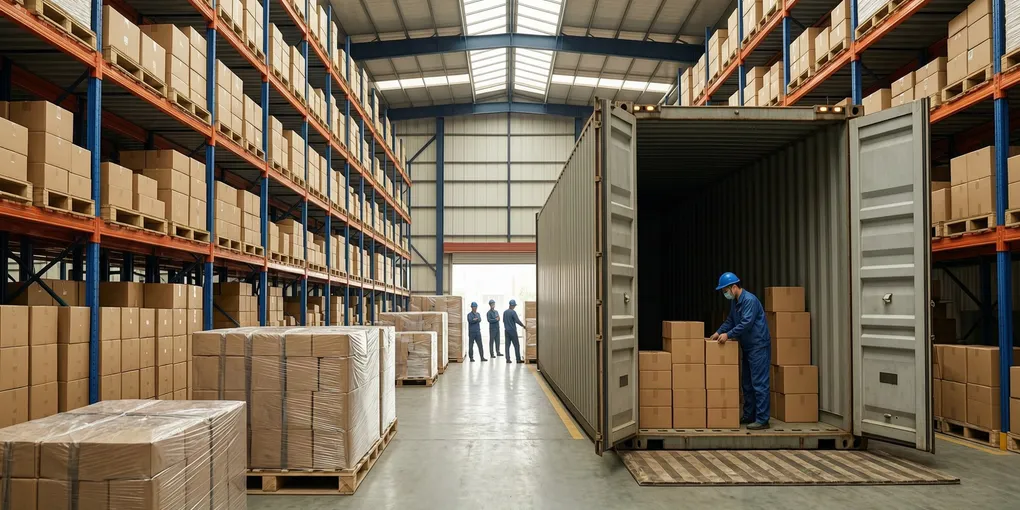
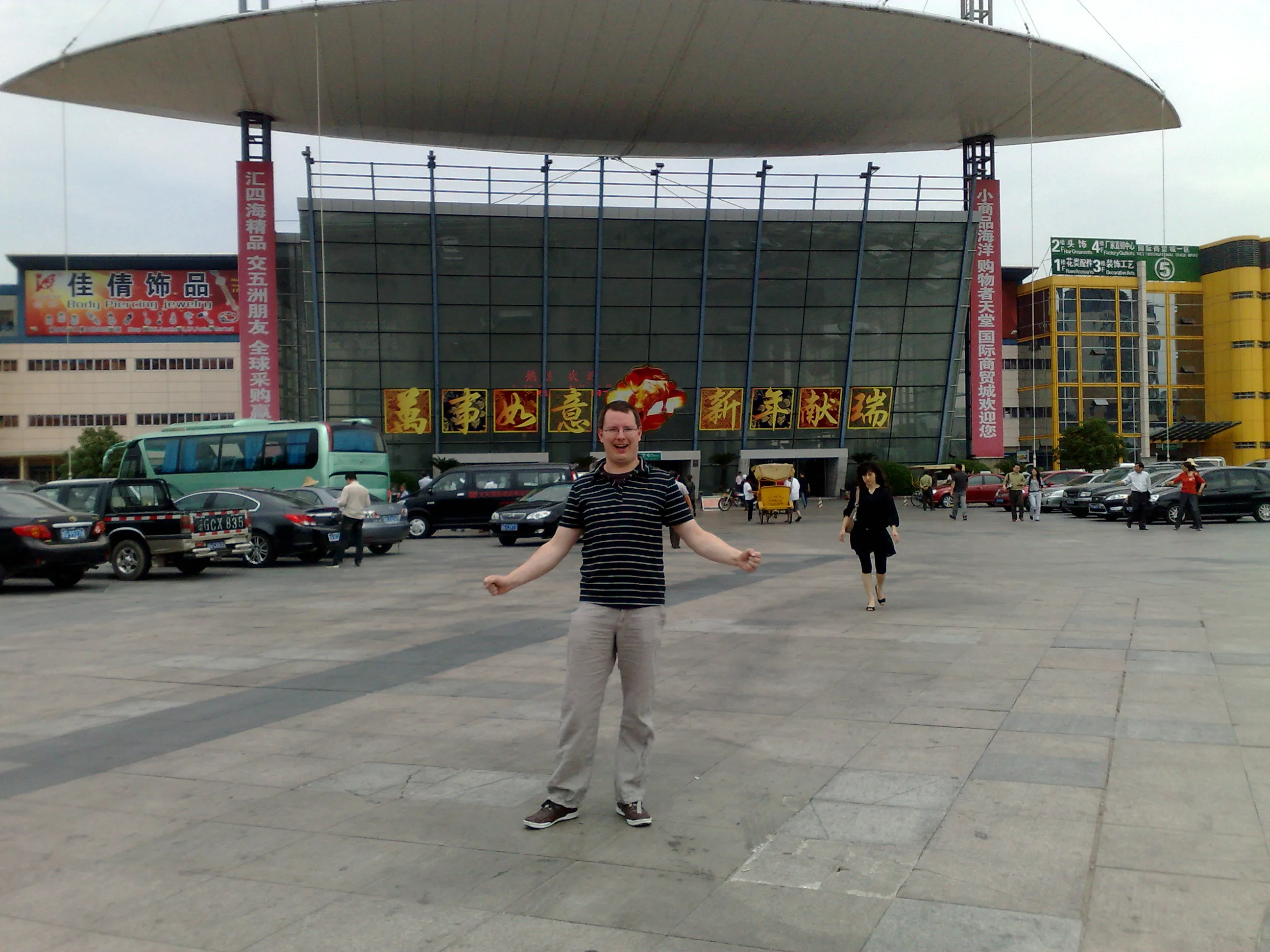
If you had to pick one city in China for wholesale buying, it would be Yiwu. The Yiwu International Trade City is the world’s largest wholesale hub for small commodities, and the typical Iranian buyer’s cart looks the same: dozens of suppliers, dozens of cartons, and a total volume somewhere between 2 and 15 CBM. That pattern is exactly what makes LCL (less-than-container-load) shipping the most common way to move cargo from Yiwu to Iran.
This guide is written for the trader who buys from many small suppliers in Yiwu and wants everything consolidated into one shipment, at the lowest cost and without customs surprises: how to centralize the buying, how LCL pricing actually works, and what a mixed consignment faces at Iranian customs.
Why Yiwu works so well for Iranian buyers
Three reasons put Yiwu at the top of the list for Iranian wholesale and retail sourcing. First, sheer scale: five connected trade districts with tens of thousands of stalls covering nearly every product line, from kitchenware and small electronics to toys, stationery, fabrics and hardware. Second, price competition: thousands of manufacturers sit in and around the city, stall margins are thin, and bulk buyers get numbers they will not see elsewhere in China. Third, familiarity: a large share of stall owners have long experience with the Iranian and Arab markets, and doing business with Persian-speaking buyers is routine for them.
The market’s official platform, Chinagoods, lets you search stalls and products before you travel, and many buyers build their first shortlist there.
The core problem of buying in Yiwu: scattered cargo from many sellers
Buying in Yiwu is nothing like buying from a factory. With a factory you get one product, one invoice, one packing list. In Yiwu you might buy from 30 different stalls, and each stall ships separately. If those 30 parcels travel to Iran independently, three bad things happen: freight is charged per parcel and multiplies; quality control has to happen 30 times on arrival; and customs deals with 30 scattered invoices instead of one consistent set of documents.
The standard fix is a consolidation warehouse: a Yiwu facility that receives goods from all your suppliers, checks them against your order list, reports shortages and damage, re-packs and palletizes the cargo, and loads everything as one shipment. That service is the backbone of our LCL sea freight from China to Iran.
LCL freight charges: understand CBM and the W/M rule
LCL freight is billed per cubic meter (CBM), under one important rule: W/M, where weight or measurement, whichever yields the higher charge. The market’s common conversion treats 1 metric ton as equal to 3 CBM. Light, bulky goods like toys and stationery are billed by volume and are ideal for LCL. Dense, heavy items such as tiles, stone and heavy metal goods quickly switch to the weight basis.
Three numbers to know before you finalize a purchase:
- Around 2–3 CBM is the economic minimum for LCL. Below that, fixed warehouse and documentation charges take an outsized share of the invoice.
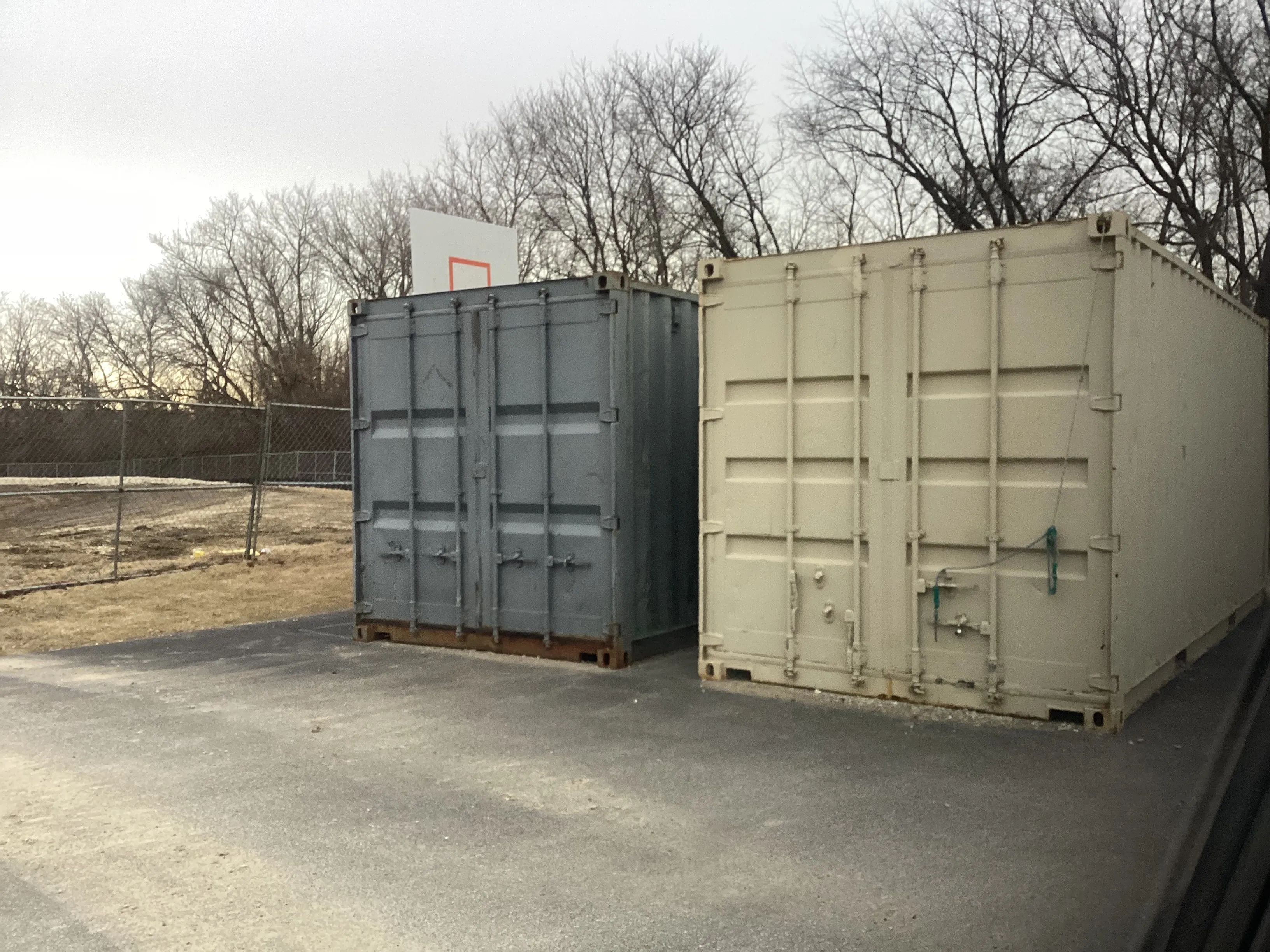
- Around 12–15 CBM is where a full 20ft container (FCL) usually becomes cheaper than LCL. If your cart approaches this volume, run both quotes. We break down this threshold in our guide to sea freight costs from China to Iran.
- Your cart’s weight-to-volume ratio decides the effective rate: the lighter and bulkier the cart, the lower the cost per CBM.
Routes and transit times from Yiwu to Iran
Three main routes out of Yiwu; the right one depends on urgency and cart composition:
- Sea via Shanghai or Ningbo: the default option. Yiwu is one to two days by truck from both ports, with regular sailings to Bandar Abbas and Shahid Rajaee. Total transit runs 25–35 days.
- Rail from Yiwu: the city’s rail terminal connects to China’s freight train network, and LCL cargo can move by rail in about 18–25 days to Tehran, independent of conditions in the Gulf and the Strait of Hormuz.
- Road via Khorgos: for more urgent cargo, the Khorgos–Tehran trucking corridor takes roughly 10–15 days and can make sense for smaller, higher-value carts. Route details and cost estimates are on our Yiwu to Tehran shipping page and land freight cost guide.
Clearing a mixed consignment in Iran: the sensitive part
A mixed cart from Yiwu raises three issues at Iranian customs that a single-commodity shipment never faces:
- An HS code for every line. Each product line keeps its own HS code and is declared and valued on that basis. Your invoice and packing list must be itemized, with no catch-all lines like “sundry goods.”
- Prohibited and restricted items. Some of Yiwu’s best-selling lines are restricted or banned for import into Iran. Match your shopping list against our prohibited and restricted items list before you buy. Common examples: certain cosmetics, battery-operated toys without certification, and counterfeit branded goods.
- Mandatory standards (INSO). Small electrical goods and toys fall under mandatory standards, and some lines require a conformity certificate at the border. Check each line’s status with your customs broker before shipping; our Iran tariff and import cost guide covers the main rates and categories.
Order registration in Iran’s national trade system must be completed before the cargo ships, and customs clearance through a licensed broker is the stage where every day of missing paperwork turns into demurrage.
Packing and paperwork: the pre-loading checklist
- Five-ply export cartons with proper taping; the cartons sold around Yiwu are built for in-city handling and must be re-packed for a sea voyage.
- ISPM 15-certified pallet wood for cargo that could get wet or crushed; Iranian customs will not admit untreated wood packaging.
- Supplier labels on every carton cross-referenced to the invoice; the consolidation warehouse matches cargo to orders using these labels alone.
- A line-by-line invoice with exact English product names, quantities, units and values; vague descriptions invite customs valuation problems.
- All-risk insurance at the real declared value; in LCL your cargo sits next to other people’s freight, so coverage matters more than it does in FCL.
Frequently asked questions
I bought from several Yiwu suppliers. How do I combine the shipments?
Send each supplier’s goods to your forwarder’s consolidation warehouse in Yiwu. The warehouse checks them against your order list, reports discrepancies, and prepares everything as a single consignment.
How long does LCL shipping from Yiwu to Iran take?
25–35 days by sea to southern Iran, 18–25 days by rail to Tehran, or 10–15 days by road via Khorgos. Customs clearance and inland delivery add to these transit times.
My cart is 14 CBM: LCL or a full container?
From roughly 12–15 CBM, a 20ft FCL container is usually cheaper and removes the damage risk of a shared LCL warehouse. Ask your forwarder to quote both for your specific cart.
Can I get door-to-door delivery?
Yes, from pickup at the Yiwu warehouse to delivery at your warehouse in Tehran or another city under one contract. See door-to-door shipping from China to Iran.
What are the standards-compliance risks when buying in Yiwu?
Electrical goods and toys without certification can be held or sent back at customs. Check the tariff line and standard status of every product line with your broker before you buy.
Bottom line
Yiwu’s strength is variety and price; LCL’s strength is turning scattered purchases into one economical shipment. The real margin in this trade comes from three decisions: matching your shopping list against import regulations before paying, choosing a reliable consolidation warehouse, and calculating the LCL-to-FCL break-even correctly. Settle all three before your first wire transfer.
To get a quote for your Yiwu-to-Iran shipment, request a price or reach us on WhatsApp.